





What a prong setting is
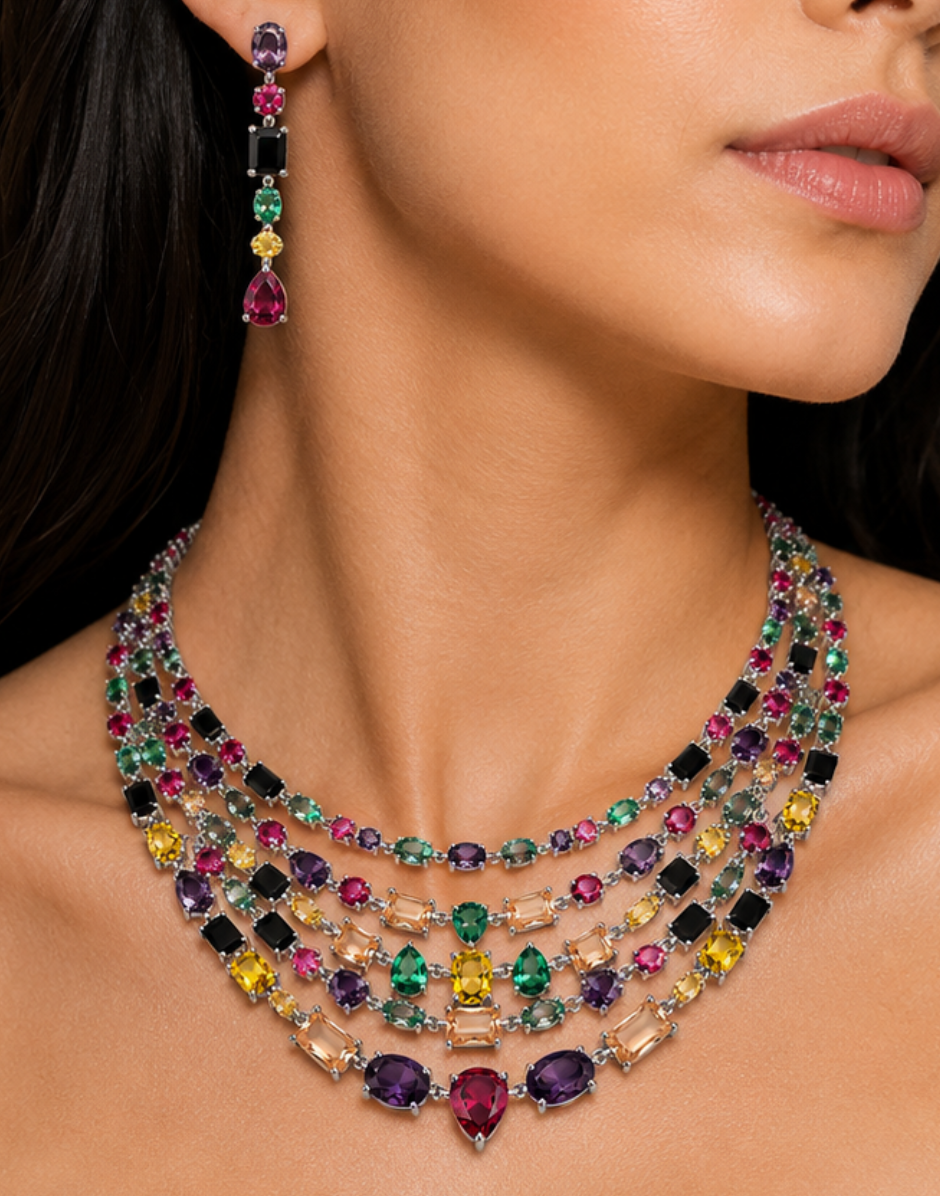
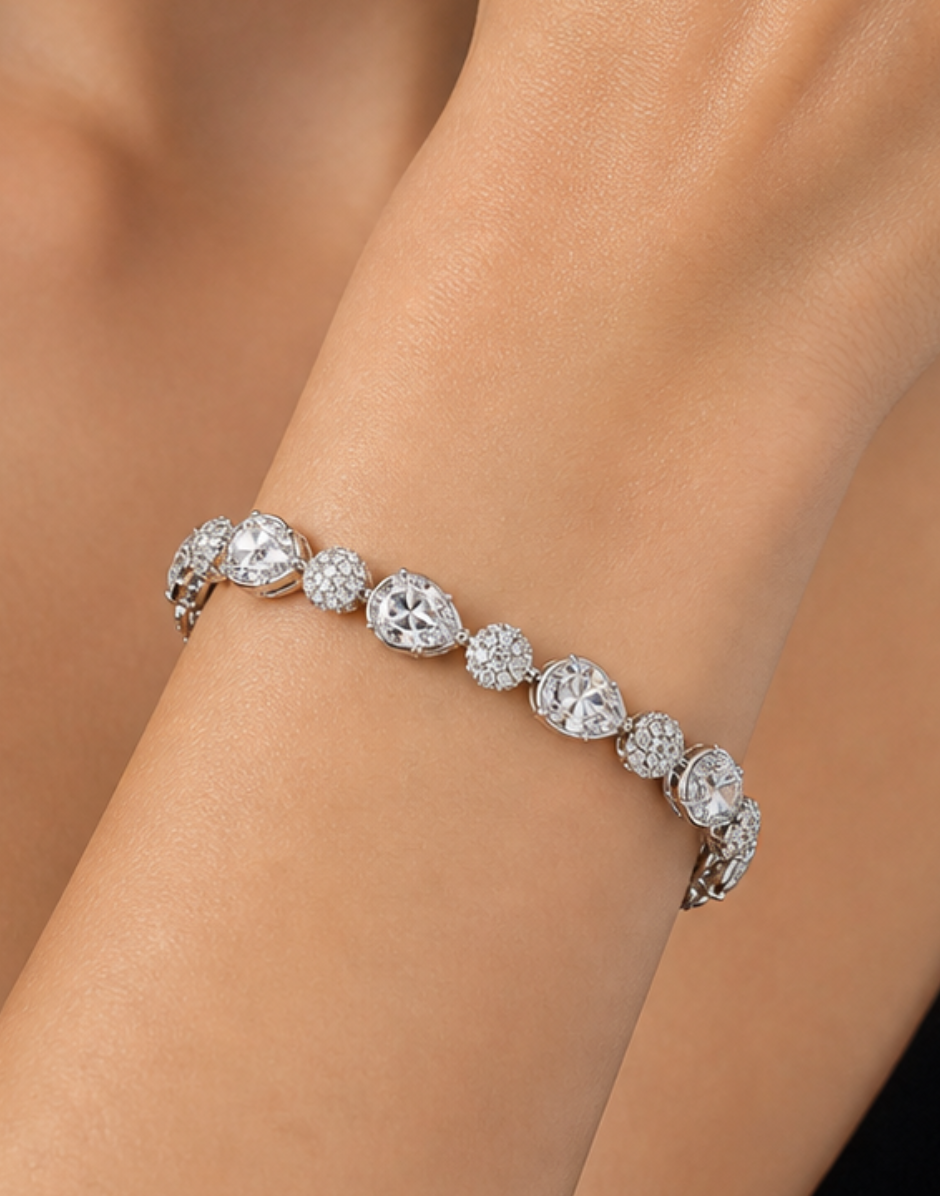
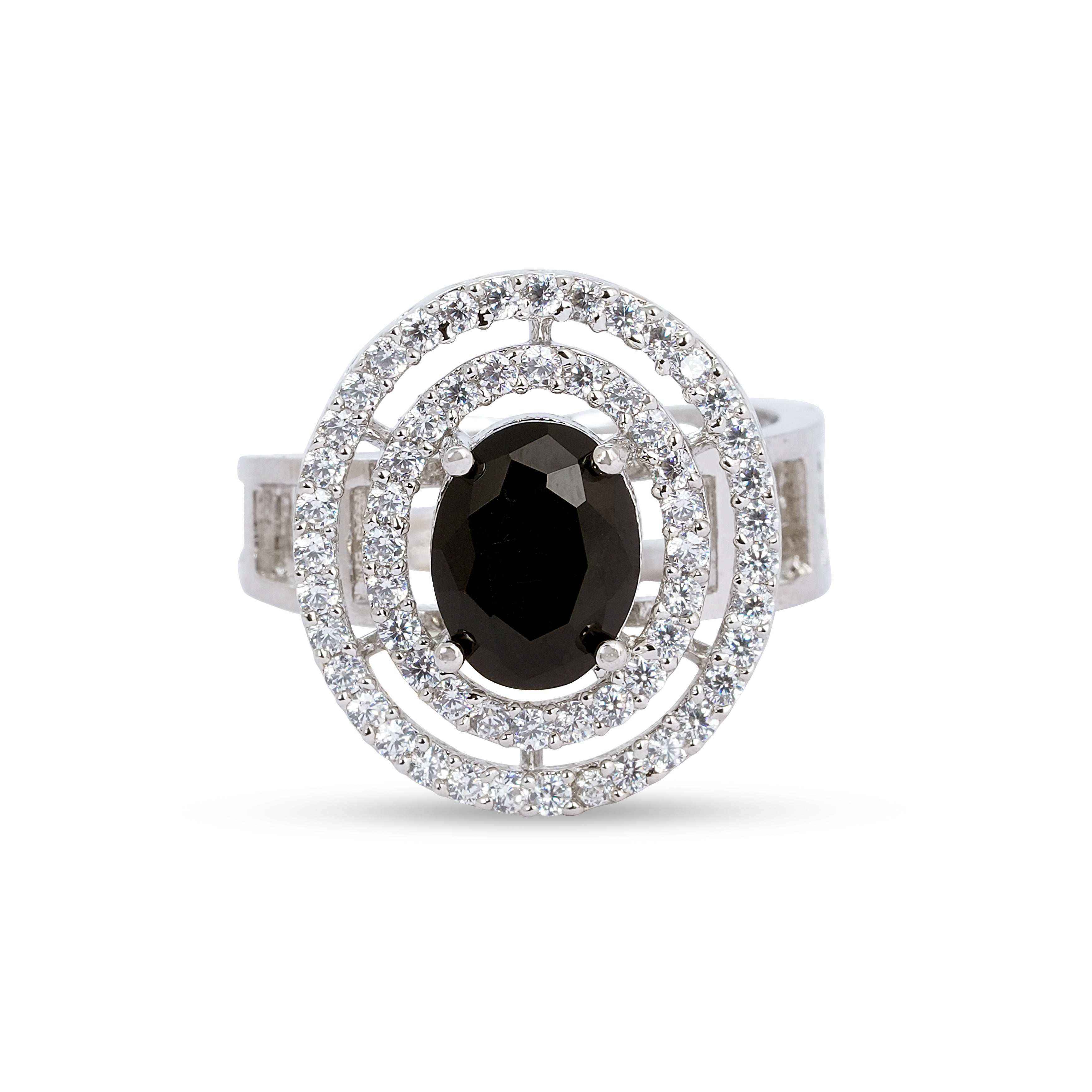
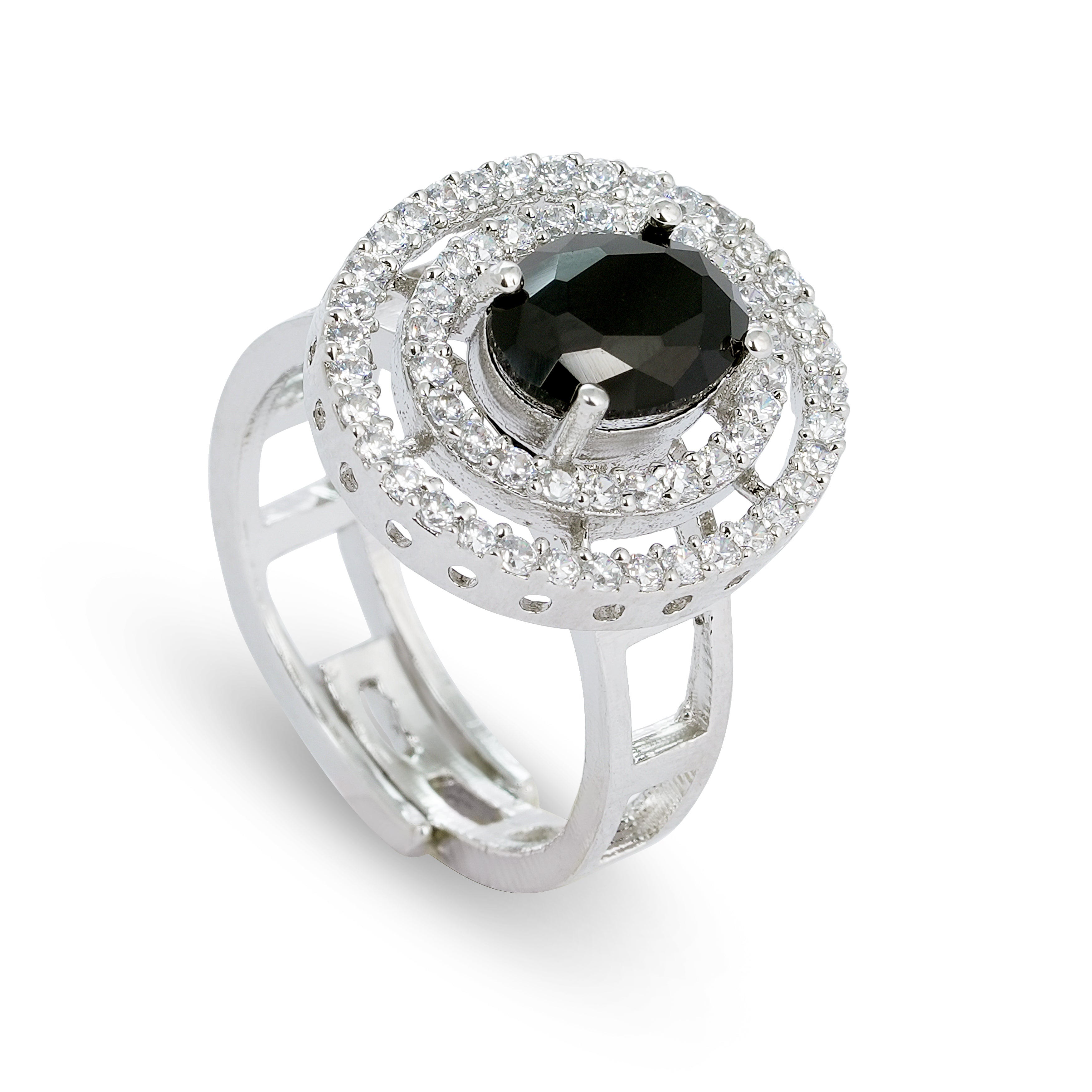
A prong setting holds a faceted stone using small metal arms — typically three, four, or six — that rise from the base of the setting, curve over the edge of the stone, and are pressed down to physically grip it against the metal beneath. The grip is entirely mechanical. No adhesive. The metal does the work, the way a hand cradling a marble would.
Done well, a four-prong setting will hold a stone against forces that would crack it before they loosened the metal. Done badly — or replaced with glue — the same stone falls out in a handbag, a hot bath, or the first time you slap a mosquito on your forearm.
A prong-set stone is held by the same physical principle as a basketball in a child's hand. A glued stone is held by chemistry. Chemistry, in jewellery, ages badly.
Why three prongs, four, or six
Fewer prongs means more of the stone is visible; more prongs means greater security. Three-prong settings expose the most stone but a single broken prong leaves it unsupported on a third of its circumference — which is why they are almost never used. Four-prong is the standard for most stones up to roughly 1.5 carats: maximum visibility, full security. Six-prong is for larger stones and pieces designed for daily wear — the famous Tiffany setting is six-prong precisely because it is engineered for a lifetime of use, where one bent prong is not a disaster.
At Anoree, we default to four-prong on anything below one carat, six-prong on anything above.
How to spot a glued stone before you buy
Look at the back of the piece. A prong-set stone has visible open metal behind it — small windows where the underside of the stone is visible. A glued stone sits in a closed cup with no opening.
Look at the edge of the stone. Prong-set stones have small, distinct claws rising over the girdle. Glued stones have either no metal at the girdle or a continuous low rim hiding the join.
Touch the stone lightly with a fingernail. A prong-set stone does not move. A glued stone sometimes has a faint give — occasionally even audible.
And the most damning sign: a thin yellow or white line of dried adhesive at the edge where the stone meets the metal. We see this far too often on pieces customers send us to replate.
At Anoree,
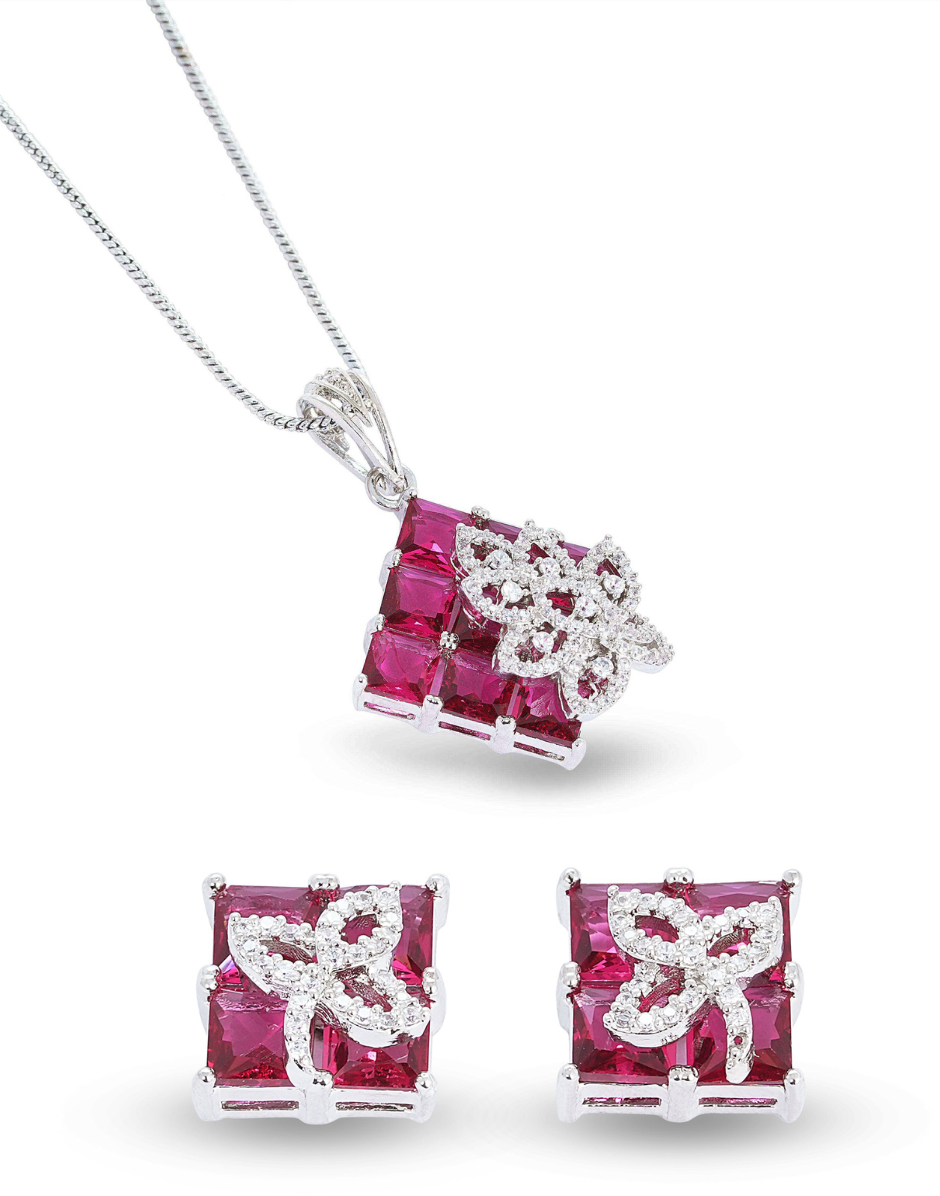
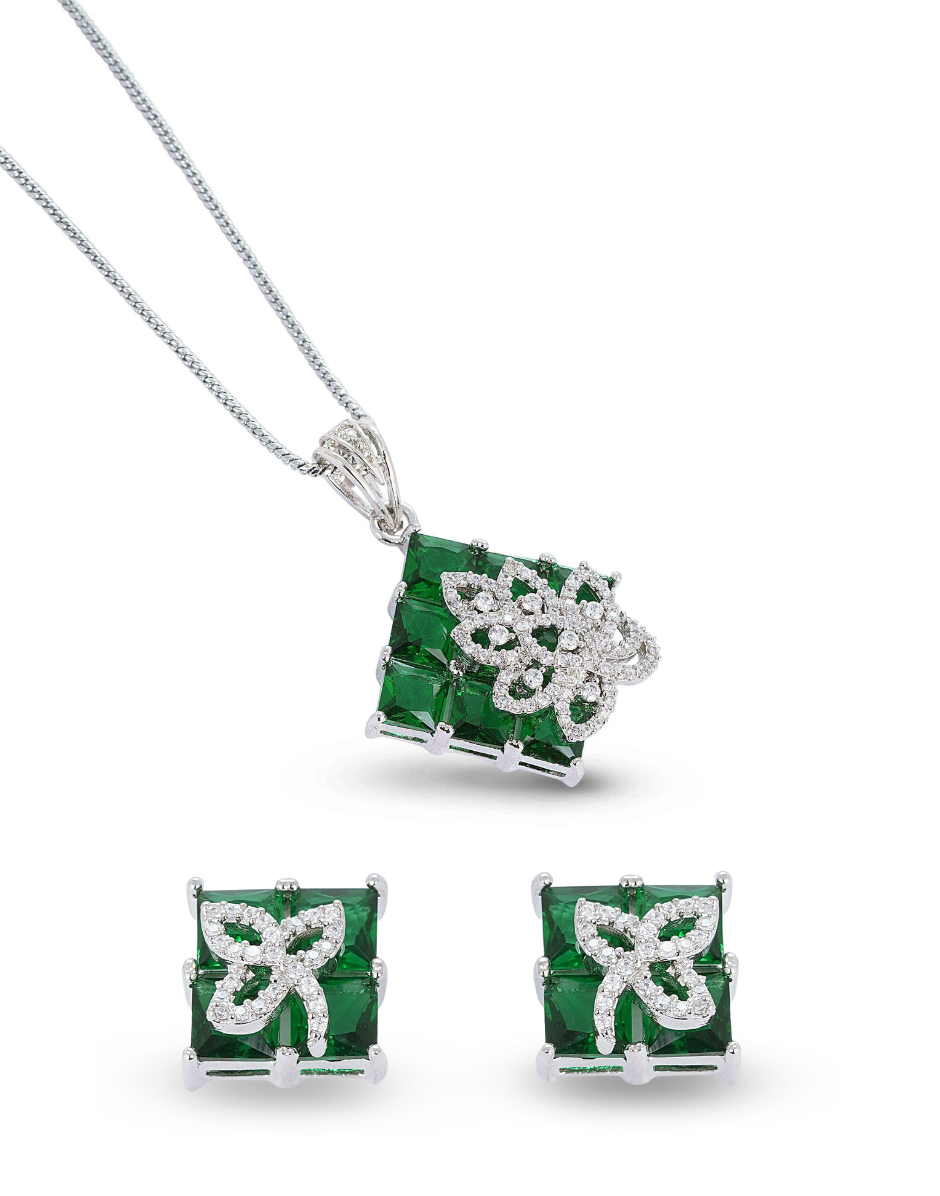
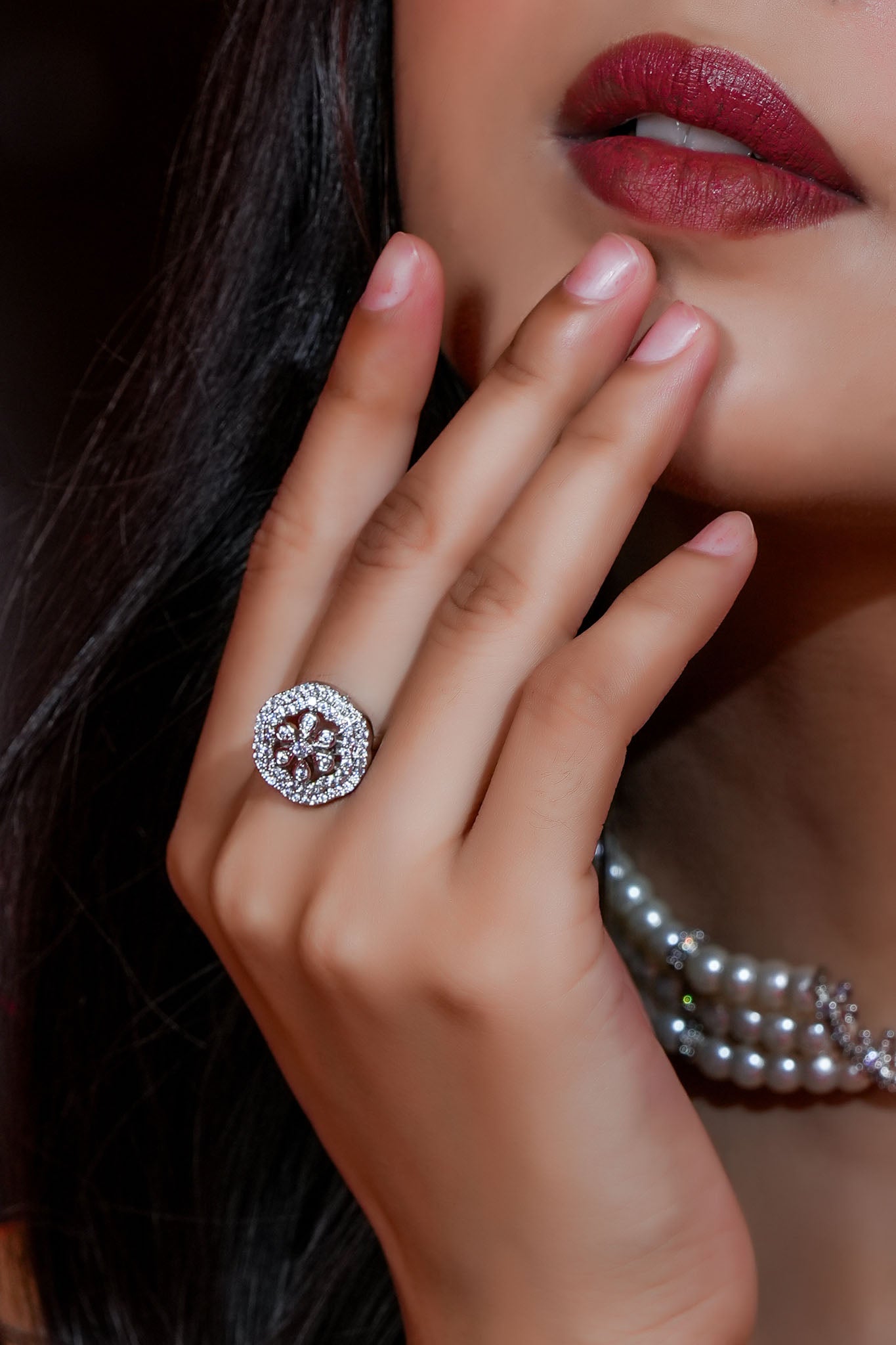
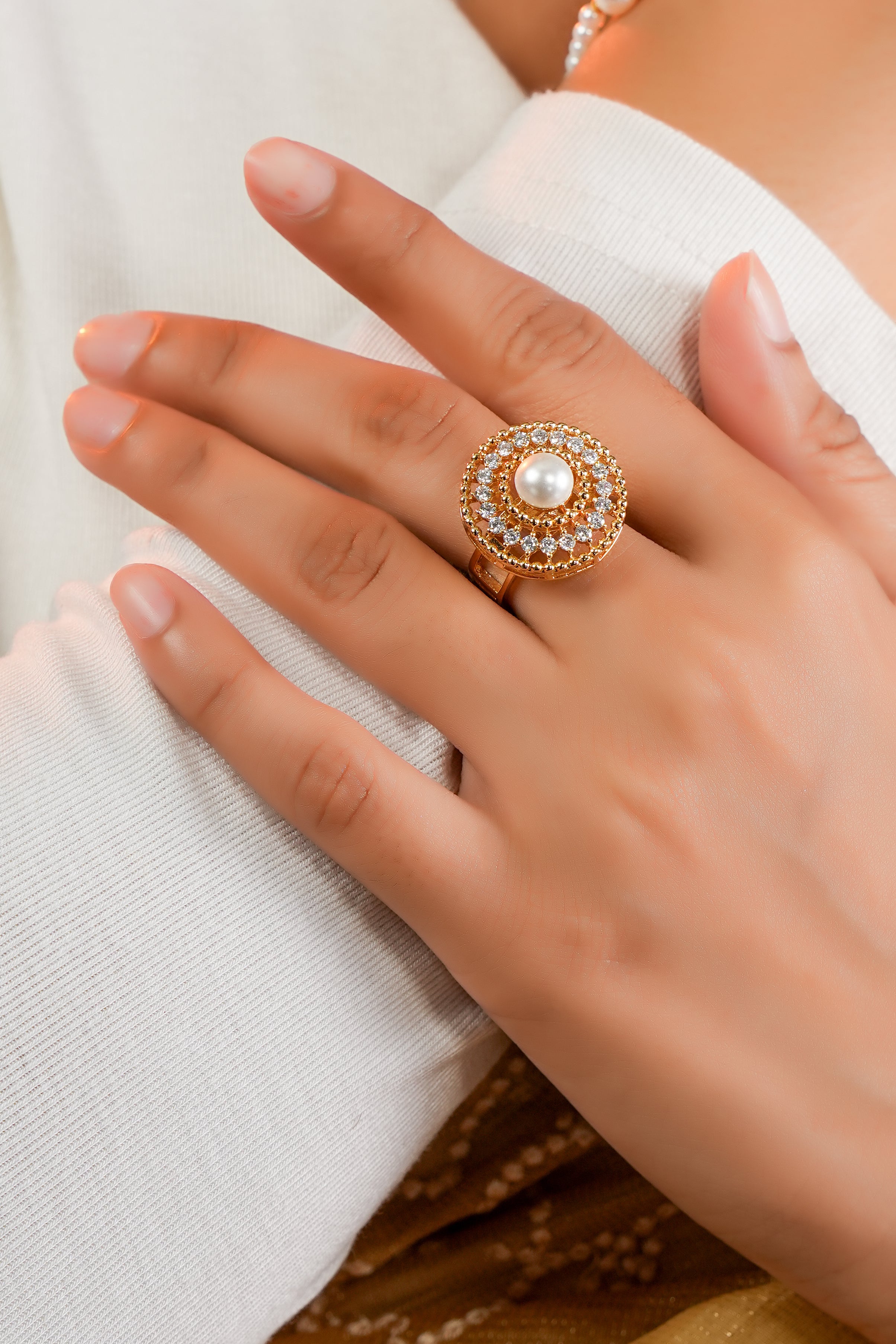
Every stone we sell is prong-set, pavé-set, channel-set, or bezel-set on a metal base. If you ever receive a piece from us where you cannot find any of those features, write to us. It should not have left our atelier.
If we wouldn't trust a setting to hold a real diamond, we don't use it to hold a faux one. The technique is the same. The stone is what changes.
Further reading
- American Diamonds vs. real diamonds vs. moissanite
- How to keep rhodium plated jewellery shining for years
- 2026 minimal bridal jewellery trends
Shop our prong-set rings → anoree.in/rings
