




 What rhodium plating actually is
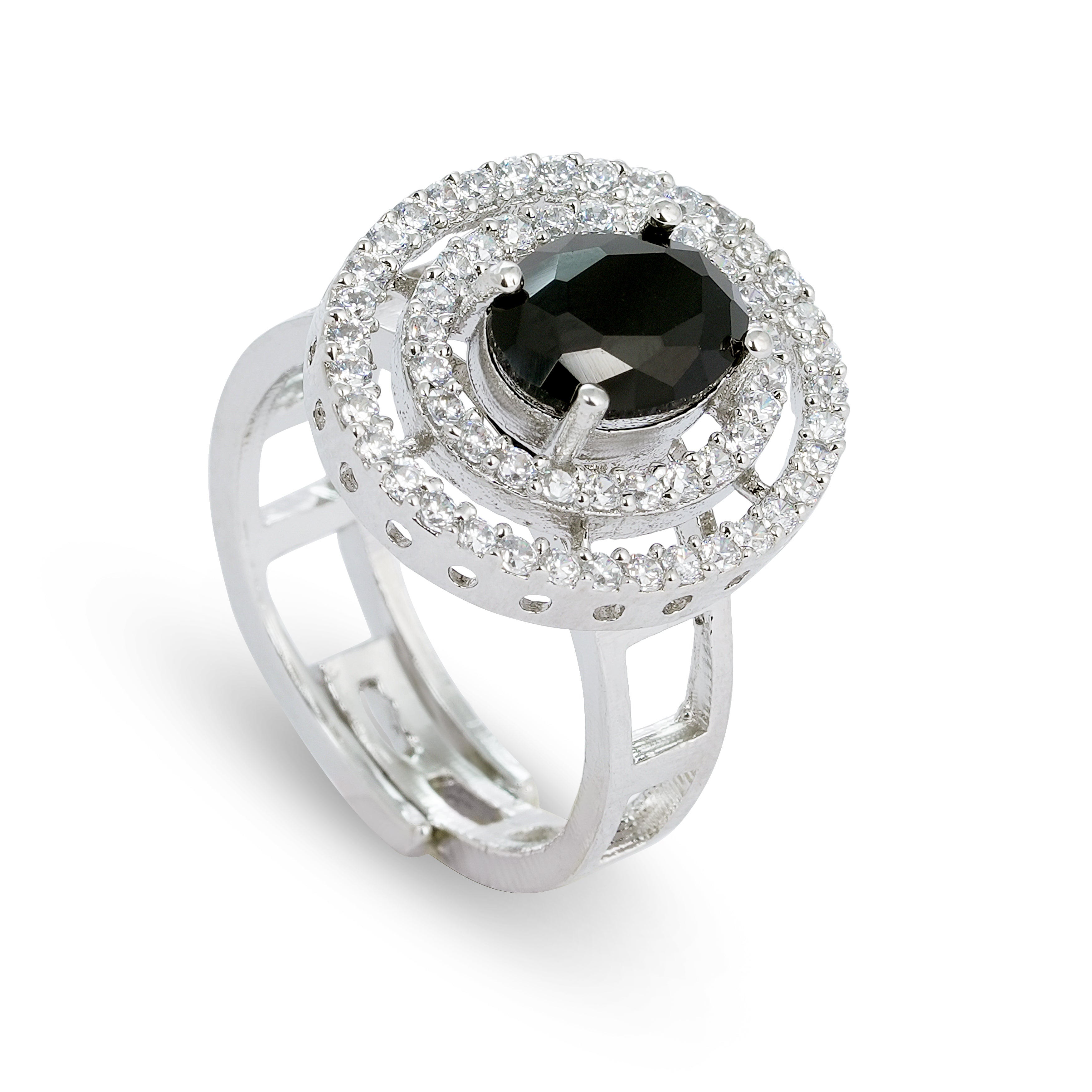
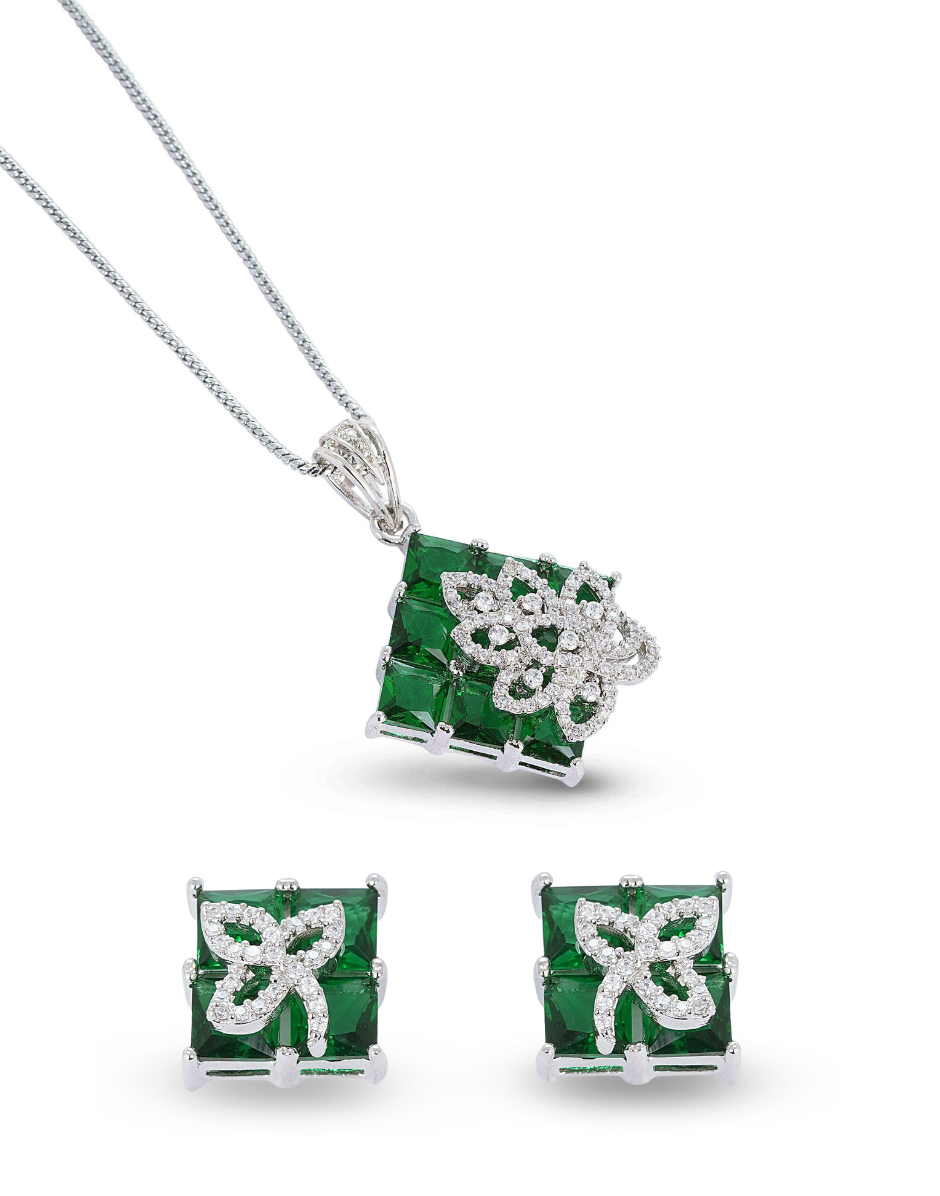
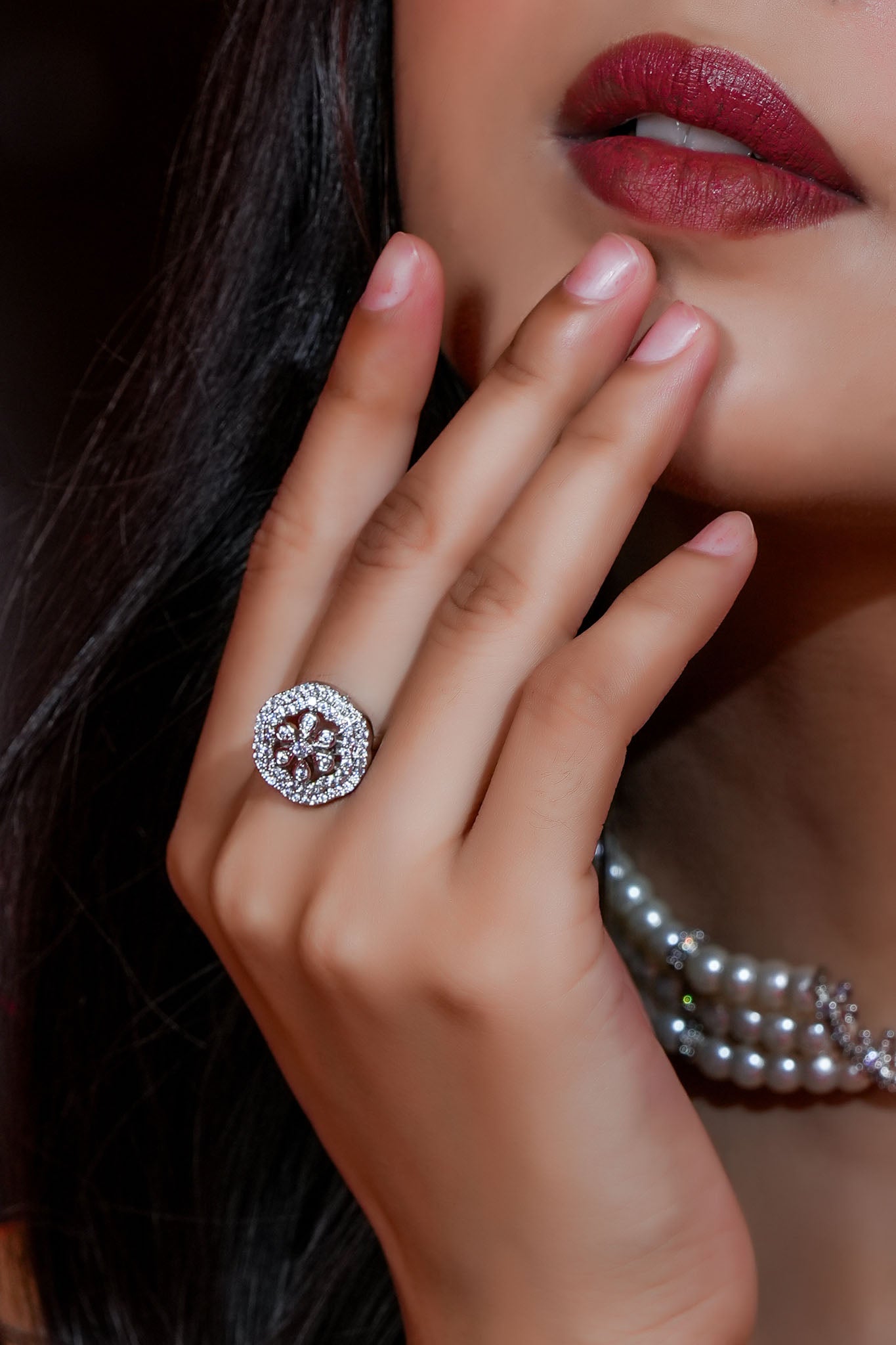
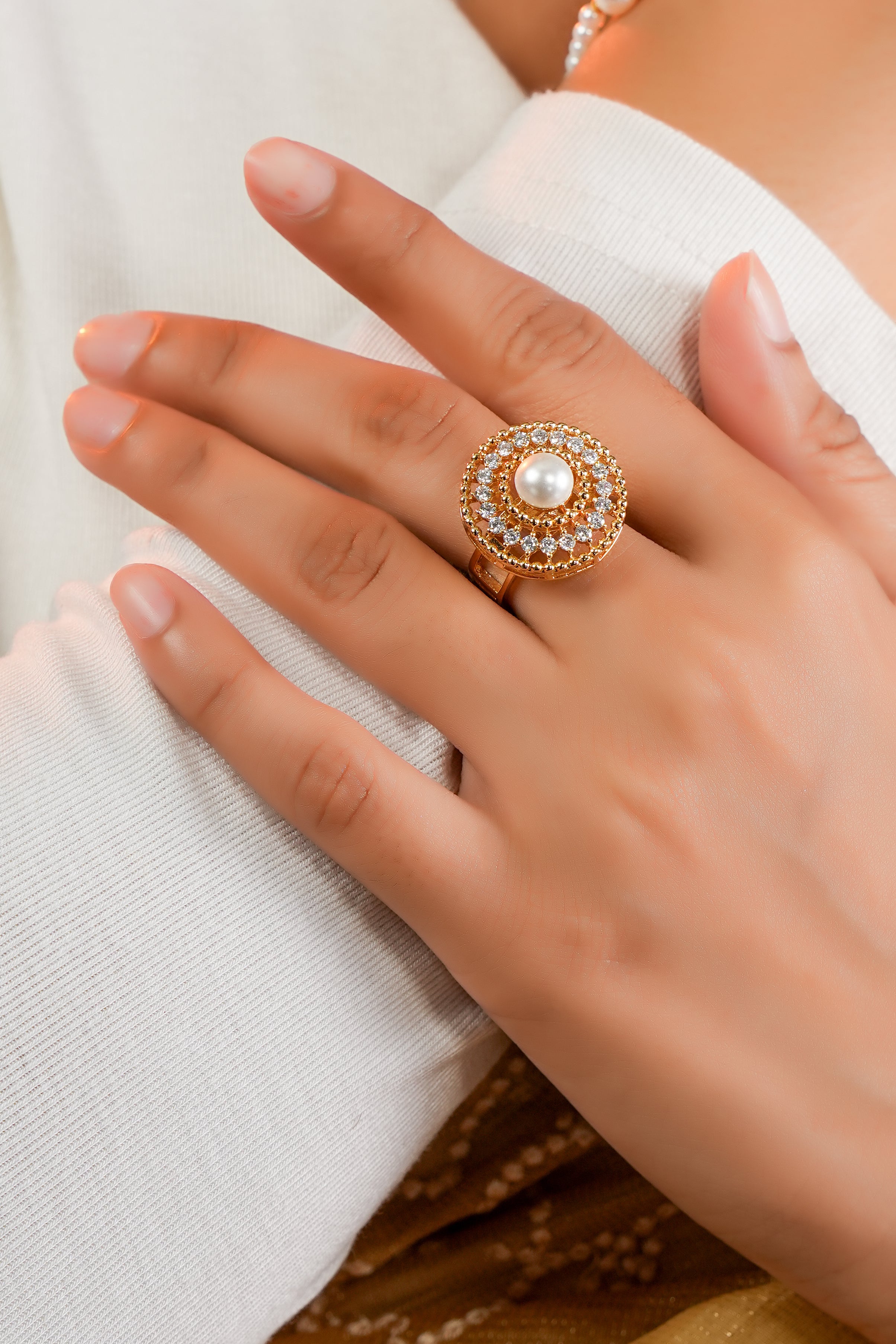
Rhodium is a precious metal from the platinum family — rarer than gold. It doesn't tarnish or yellow, and it reflects light with the cool, almost blue-white brilliance that fine jewellers love behind a diamond. But it's also brittle, so jewellers electroplate a microscopic layer of it — typically 0.1 to 2 microns — onto a base metal underneath. At Anoree, that base is hardened brass, finished with rhodium that lifts the piece to that recognisable platinum-bright surface.
The plating is what gives imitation jewellery its expensive feel. Care for the rhodium, and the piece looks new for years. Ignore it, and it tells you.
The three things that quietly destroy rhodium plating
Perfume, deodorant, and hairspray are the single fastest way to dull a finish. Alcohol-based sprays micro-pit the rhodium, leaving pieces looking cloudy rather than dirty. The fix is simple: jewellery goes on last, and comes off first.
Chlorine and salt water are the next culprits. A single afternoon in a pool can take years off plating. Always remove rings, bracelets, and chains before any swim.
Friction with other pieces is the last one. Tossing five rings into a pouch together is, mechanically, the same as gently sanding them every time you move the bag. Plating wears thinnest at points of contact.
What never to use
Toothpaste, baking soda, lemon juice, vinegar, ultrasonic cleaners, steam cleaners, or silver-polish cloths. These are tarnish-removal methods designed for solid silver. On a plated piece, they strip the rhodium.
The one idea to remember
Treat your favourite pieces the way you treat a favourite silk: gently, and often, with the assumption they'll outlive the year.
Further reading
- AAA American Diamonds vs. real diamonds vs. moissanite
- How a handcrafted prong setting actually works
Shop the pieces in this story → rings, bridal sets, everyday earrings.
